Locality
China, Taiwan, Japan, Korea.
Original of Japanese name
1843 Sekiju Musashi, Mokuhachifu.
Alias
Shio gai, Ishi gai, Nami asobi, Azuma asari, Edo asari, Shoubu gai, Kasari gai,
Toh gai, Sashime, Ominaeshi, Karukaya.
Remarks
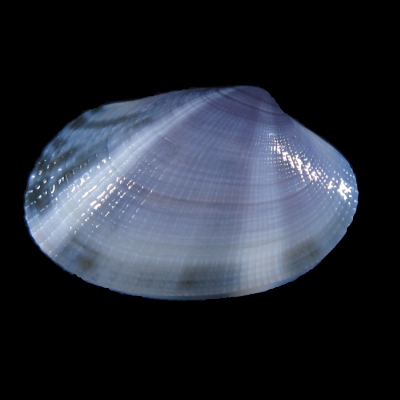
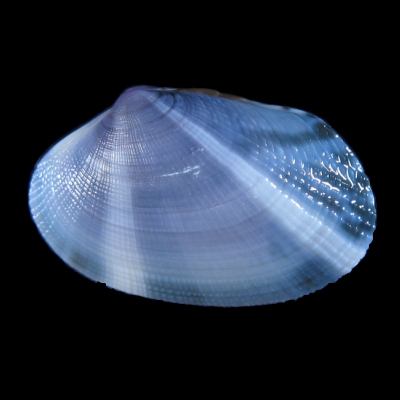
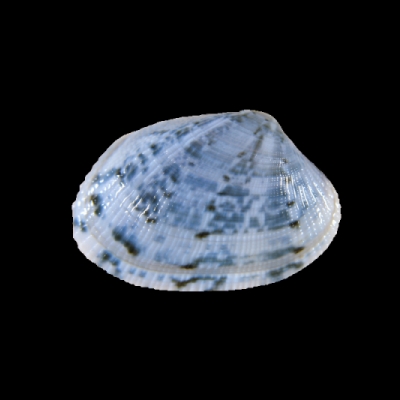
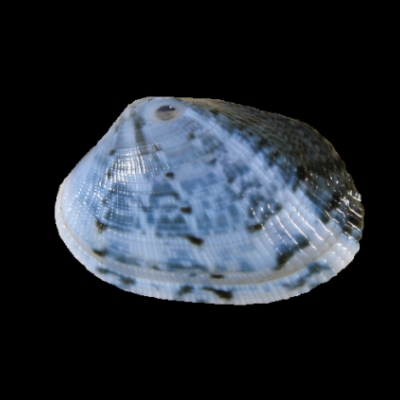
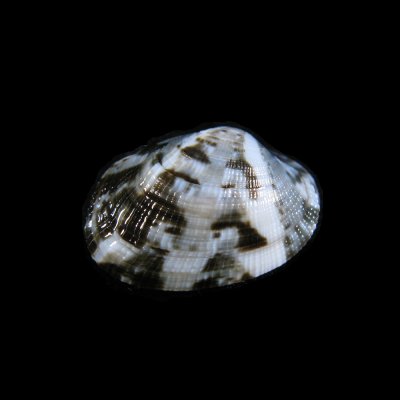
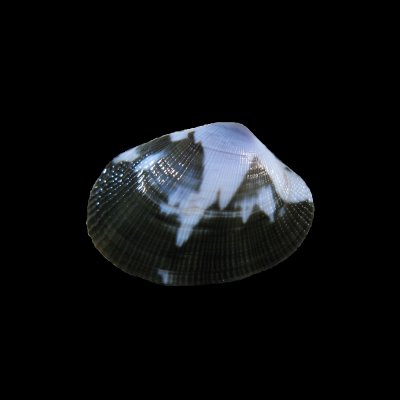
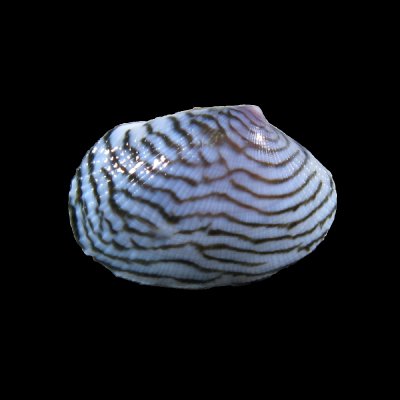
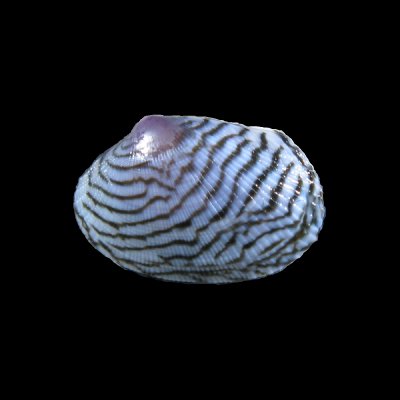
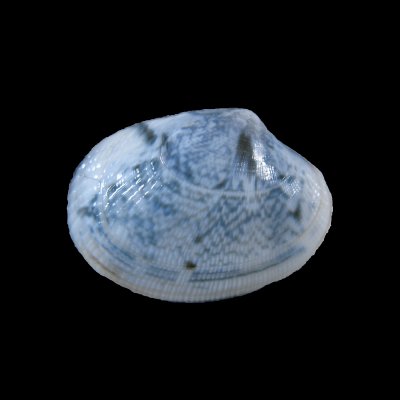
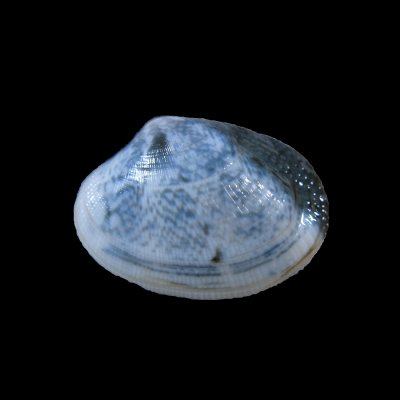
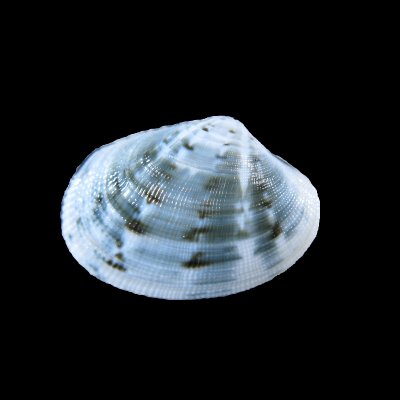
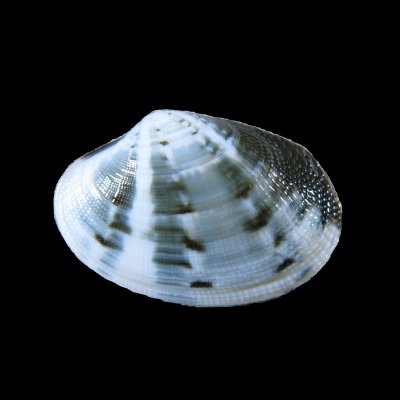
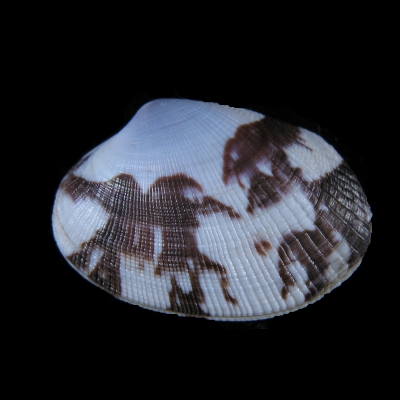
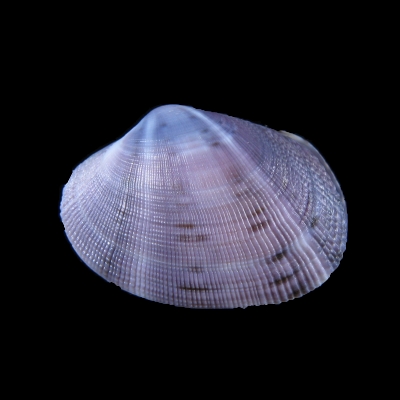
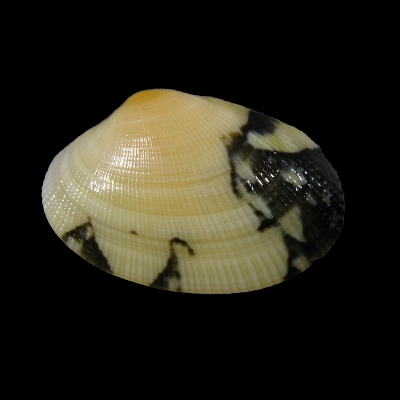
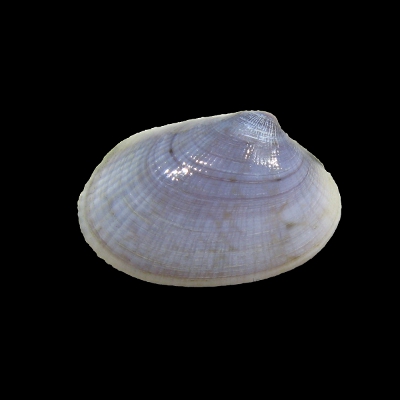
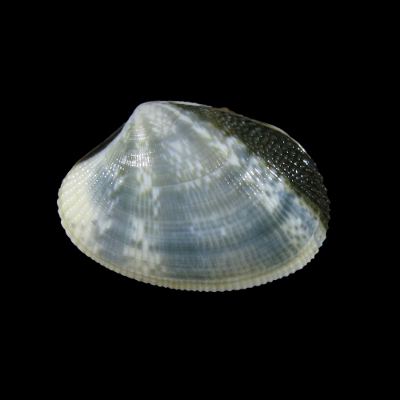
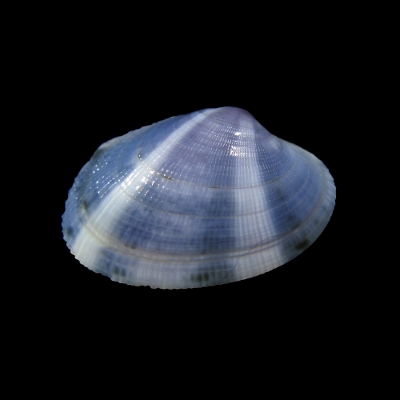
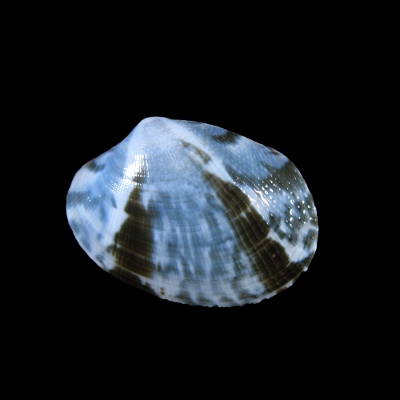
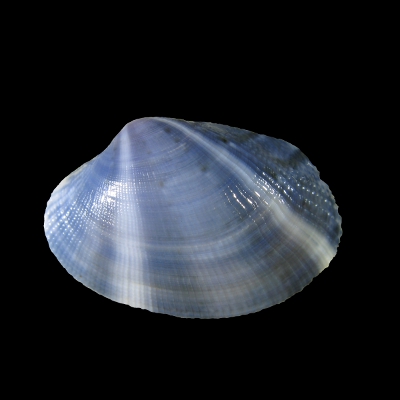
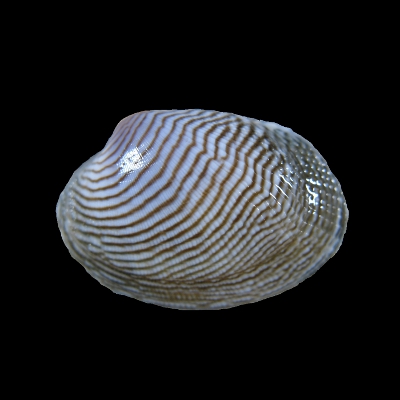
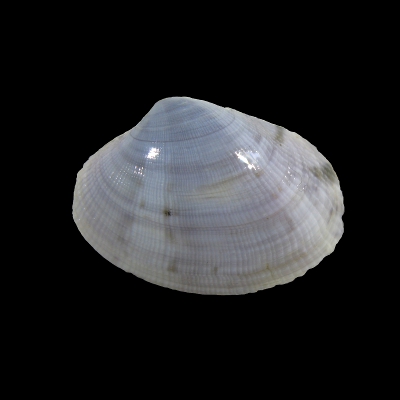
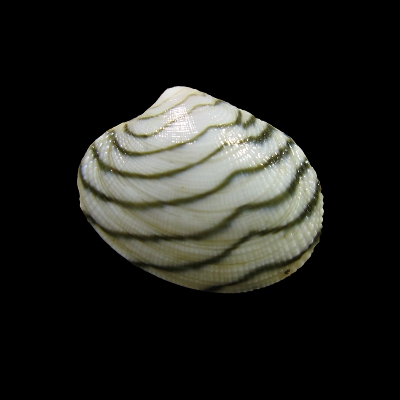
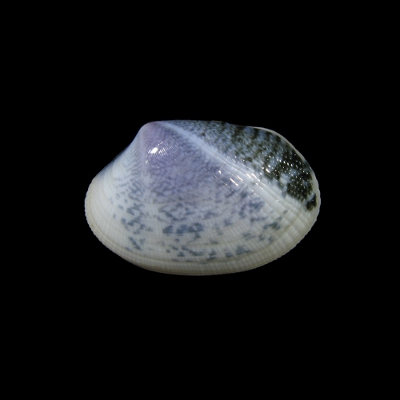
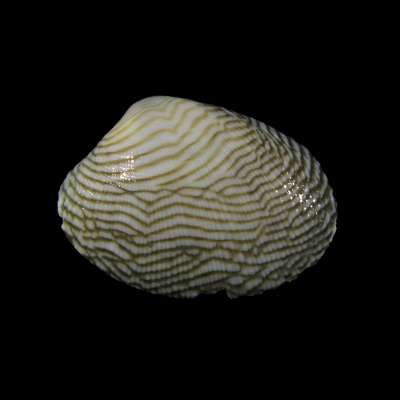
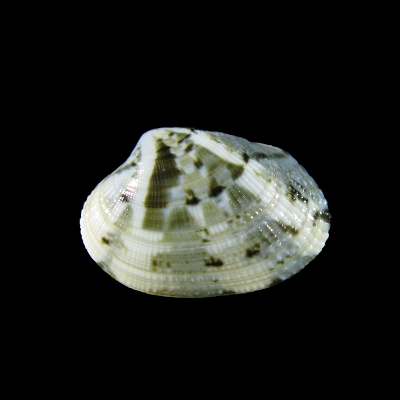
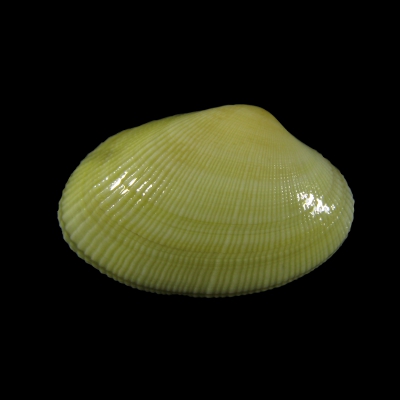
Azuma asari and Edo asari refer to Ruditapes philippinarum (Adams & Reeve,
1850) harvested in the vicinity of Edo that display a variety of patterns.
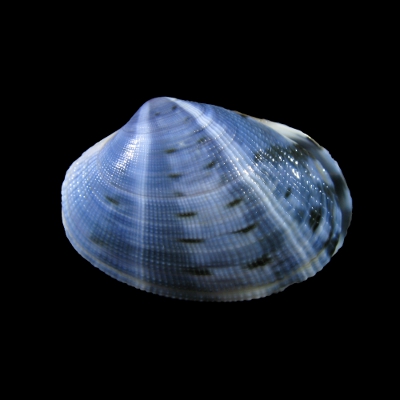
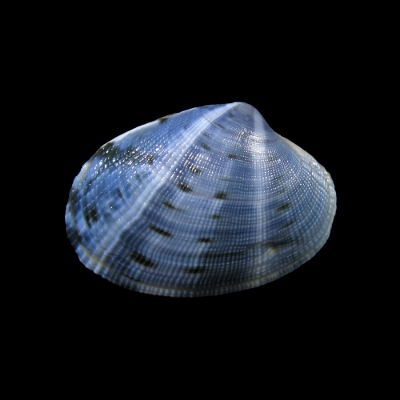
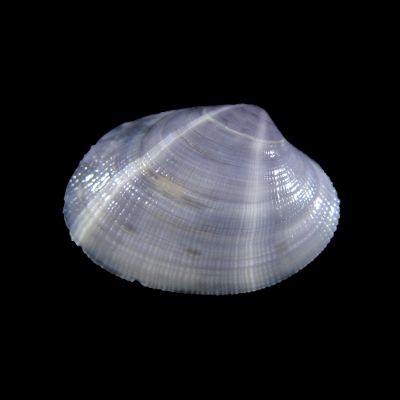
Additionally, those featuring a purple band are called Shoubu gai. The Asari
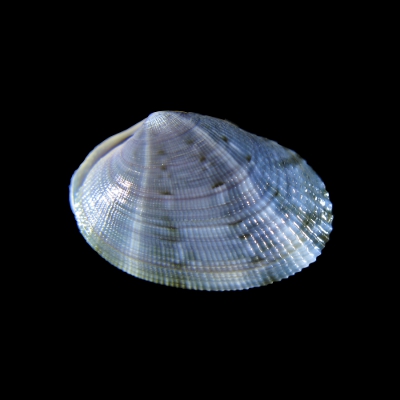
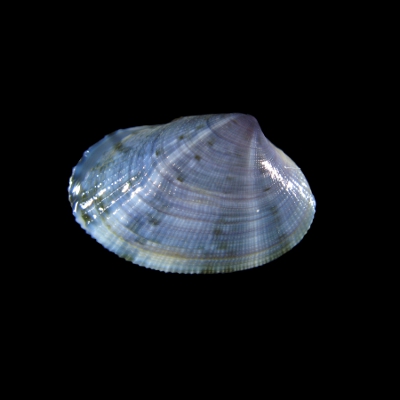
shown here were collected in Sagami Bay and at the mouth of Tokyo Bay; even as
shells washed up on the shore, they retain their vivid colors while still wet.
Apparently, the blue Asari harvested in Kisarazu are known as "Kisarazu Blue."
The origin of the name "asari" is said to be based on the verb "asaru" (to
forage or search for) or the phrase "shallow-water clam." On the other hand,
Gensen Kanda's "Nitto Gofu" (Fish Illustrated Book of Japan), Volume 6 (1730),
stated that the fine lines on the surface of the shell were the origin of the name.